The NDM-1 plasmid encodes a bacterial enzyme called the “New Delhi metallo-β-lactamase” enzyme, which gives certain bacteria the ability to break down most β-lactam antibiotics. The NDM-1 plasmid also carries other genes responsible for antibiotic resistance. The NDM-1 gene was first found in plasmids of Klebsiella pneumoniae in India. The gene has since spread worldwide and is now found in many habitats, with a typical reservoir for infection being hospitals. Through the process of conjugation, in which bacteria use a pili to transmit a gene, resistance can be transmitted to new bacteria. For these reasons, infections caused by NDM-1–producing bacteria are particularly difficult to treat and represent a growing public health concern as their resistance continues to adapt to existing treatments.
Recent surveys in the United States have revealed a sharp rise in NDM-1–producing CRE (carbapenem-resistant Enterobacterales) infections. This research shows that in New York City, reported cases increased from 58 in 2019 to 388 in 2024. This indicates increased rates of both local transmission and global introduction of resistant strains from abroad into public spaces, especially hospitals, as mentioned before. A CDC study found that NDM-CRE infections rose by about 460% between 2019 and 2023. These results showcase the need for better infection control and surveillance to mitigate the spread of NDM-1 resistance in the U.S.
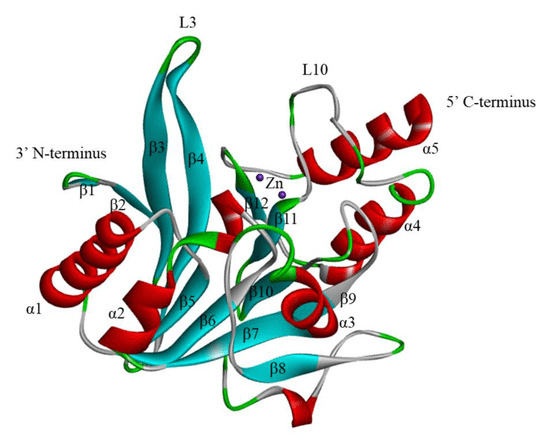
Image created by Li et al.
One of the main reasons that pharmaceutical companies often opt for producing drugs to treat chronic illnesses rather than antibiotics is that it is more cost-efficient. The results of this study show that antibiotics are more often prescribed for short-term durations and are usually only used as a last resort to prevent resistance from building in bacteria over time. This ultimately limits profit potential and is negative for the pharmaceutical companies. This is because long-term treatments usually cost more than short-term ones and result in more profit for shareholders. These incentives, among others, received by hospital staff, all contribute to the overuse of antibiotic treatments.
Developing new antibiotics is challenging beyond financial pressures. The process requires extensive, time-consuming testing to ensure the drugs are safe and effective, which takes considerable time and resources. At the same time, hospitals and doctors carefully limit the use of new antibiotics to prevent resistance, which reduces overall demand. While these stewardship practices are important for public health, they make it more difficult for companies to justify the investment. While doctors and other healthcare workers do their part to stop resistance from building, there is only so much that can be done in the face of such financial pressures.

Image provided by Centers for Disease Control 2011 Data
A study published in the New England Journal of Medicine investigated how often viruses contribute to acute otitis media in children. In this study of 456 pediatric patients, researchers found that over 40% had viral pathogens present in their middle-ear fluid. This finding shows that a large portion of ear infections traditionally treated with antibiotics may actually be viral. Because antibiotics do not treat viruses, this suggests that many prescriptions in these cases may be unnecessary and could lead to increased treatment resistance in new strains of bacteria. These results highlight the importance of careful clinical evaluation before beginning antibiotic therapy, and more temperate use of antibiotics in general.
The same study emphasizes that viruses such as RSV can directly infect the middle ear, further supporting the idea that many infections resolve without antibiotics. These findings imply that medical professionals may overuse antibiotics when viral causes are not considered, possibly due to financial incentives, as they are criticized for broadly prescribing antibiotics. This raises broader concerns about how unnecessary antibiotic exposure may disrupt the developing microbiome. A 2021 systematic review reported that early-life antibiotics are associated with a higher risk of childhood IBD and celiac disease. The conclusion of this review was that these associations are likely linked to microbiome disruption during critical developmental windows for natural, healthy bacterial growth. This suggests that unnecessary antibiotic use for viral infections may contribute to later gut complications, as well as allergies and mental disorders.

 Microbiology 251 Blog