The microbiome exists in all humans, and it plays a crucial role in many processes throughout the body. The main role of the microbiome is to be the regulator of the gut-brain axis, as is described in this article that investigates therapeutic applications for the axis. The microbiome also serves in other roles, such as producing some valuable substances as byproducts of its activities. One example of this is how gut microbes produce short-chain fatty acids, which are important for neurological processes. The immune response and strength are also heavily influenced by the microbiome.
The Gut-Brain axis is a bidirectional network of communication that runs between the brain and the microbes living within the gut. This axis allows the nervous system to respond to changes detected in the gut microbiome as well as vice versa. This ensures that both systems are successfully maintaining homeostasis and are able to make changes to support the other. One example that illustrates how important the relationship between these two ends of the axis is to each other is the phenomenon of dysbiosis. Dysbiosis occurs when there is an imbalance of some kind with the population of microbes within the gut. This gut issue can lead to issues like neuroinflammation and neurodegeneration, which affect the brain directly if left untreated.
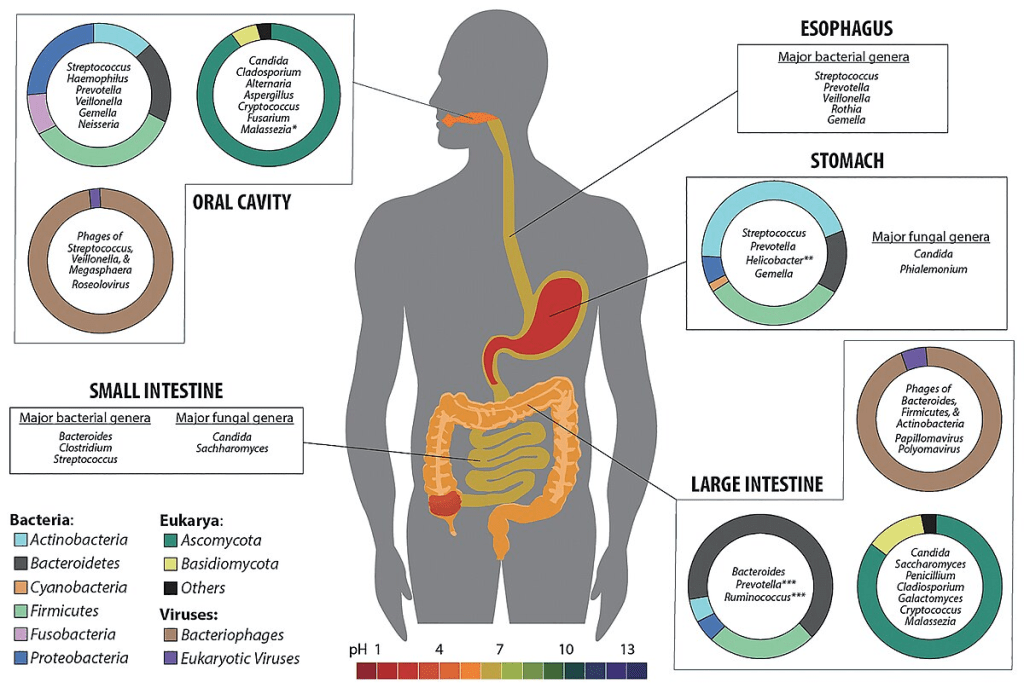
Image by Nakatsu et al.
As described in the article given to us, a neuropod is a type of epithelial cell that is found in the small intestine as well as a few other areas. Its function is to detect nutrients nearby and communicate this information to the vagus nerve in order to influence an animal’s appetite, thereby reducing the amount of gut nutrients in surplus or raising the amount present if it is lacking. Neuropods are also used in other parts of the body to gather information about the local environment. For instance, they are found in the colon, where their job is to detect signs of microbial molecules that could lead to an illness. Neuropods are part of a complete system that we are still learning about, which is why researchers at Duke were able to discover a new feedback system utilizing neuropods this past summer!
In the colon, where neuropods are used to detect microbial proteins, they often do so by detecting flagellin specifically. This is because flagellin is the main structural protein used by bacteria to form flagella. Neuropods are able to do this because they have receptors that are designed specifically for receiving bacterial flagella of dangerous bacteria. While there may be other microbial proteins present, neuropods have unique signal pathways for each type of protein detected. If the neuropod were to receive some microbial protein other than flagellin, its corresponding signal and effect would be completely different than the one described in the article.
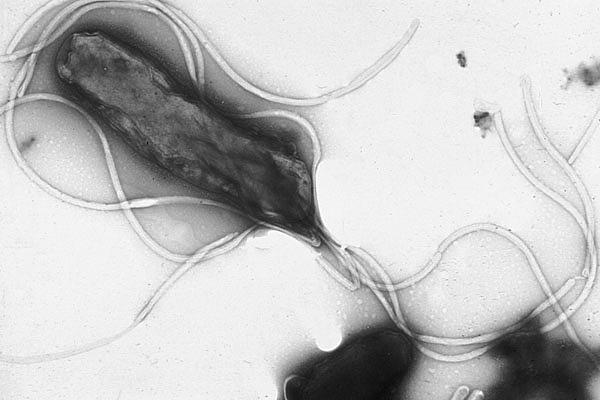
Helicobacter pylori electron micrograph by Yutaka Tsutsumi
This article links dysbiosis to autoimmune diseases. This link is made in the article by demonstrating how local inflammation of the gut due to dysbiosis is commonly seen along with cases of autoimmune diseases. When the gut microbiome is imbalanced, it can disrupt the immune system and cause inflammation. Certain bacteria can trigger the immune system to attack the body, contributing to autoimmune diseases like type 1 diabetes or rheumatoid arthritis. Understanding the link between gut dysbiosis and autoimmunity could help develop therapies that target the microbiome to prevent or reduce autoimmune disease activity.
The disease I wanted to investigate was Crohn’s disease, and all of my information was sourced from here. Crohn’s disease is a long-term condition that causes inflammation anywhere along the gastrointestinal tract, from the mouth to the anus. Individuals with Crohn’s often live with symptoms like diarrhea, abdominal pain, fatigue, and unintended weight loss. While the exact cause isn’t fully understood, it’s thought to involve a mix of genetics, immune system issues, and environmental factors. The disease can sometimes lead to complications such as strictures, fistulas, or problems with nutrition. Treatment usually focuses on reducing inflammation with medication, and surgery may be needed in some cases to manage complications.

 Microbiology 251 Blog